
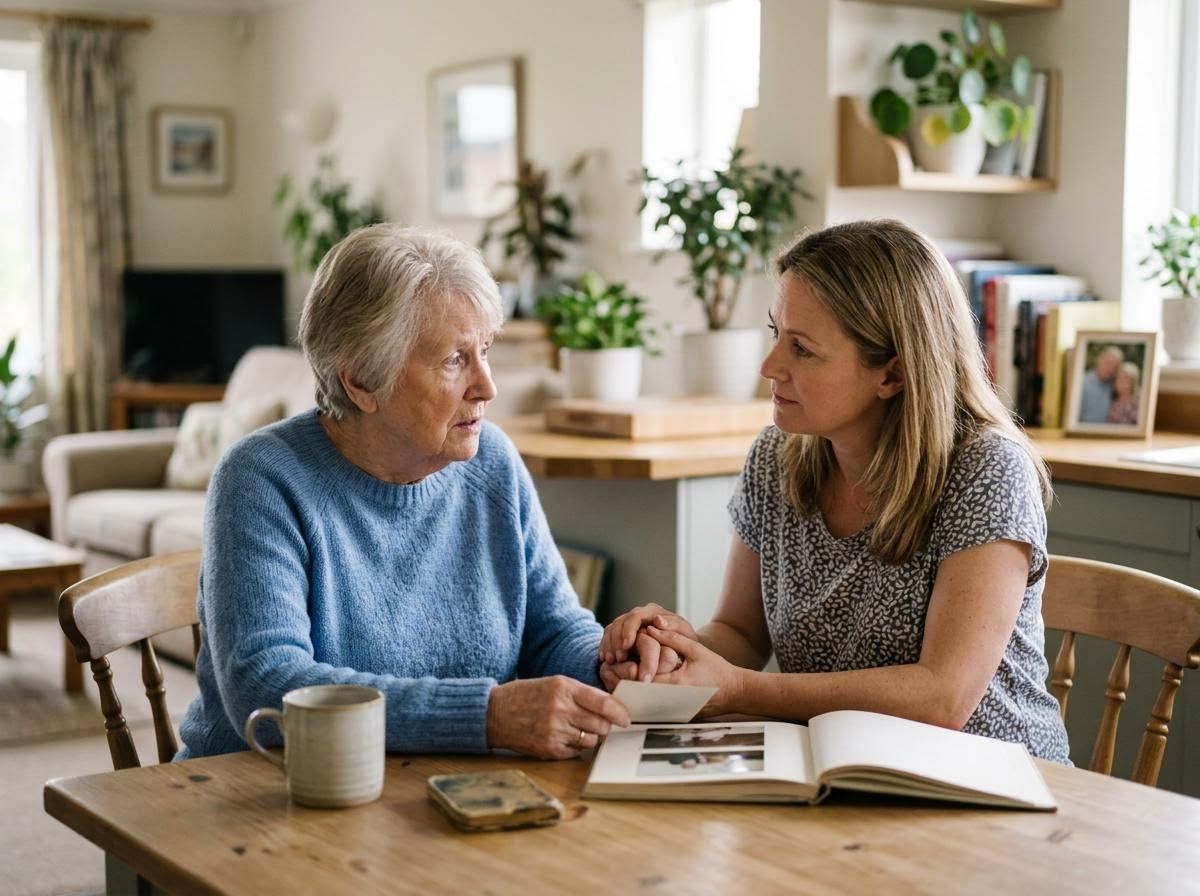
Caring for a loved one experiencing Alzheimer's or dementia is a profound and often challenging journey, demanding immense dedication and resilience. This blog post aims to serve as your "Caregiver's Compass," offering guidance and support as you navigate the complexities of memory loss. At the Senior Resource Center, we recognize the incredible commitment involved and are here to ensure you never have to walk this path alone.

Understanding the Landscape of Memory Loss
Alzheimer's disease and other forms of dementia are progressive conditions that impact memory, thinking, and behavior. While often used interchangeably, "dementia" is an umbrella term for a range of symptoms, and Alzheimer's is the most common cause. Recognizing that these conditions affect each individual differently is key; symptoms can vary widely, from subtle forgetfulness in early stages to significant cognitive decline and changes in personality and physical abilities over time. Understanding the progressive nature of the disease can help caregivers anticipate needs and adapt their approach as the journey unfolds.
Practical Strategies for Daily Care
Effective daily care hinges on creating a supportive and consistent environment. Establishing routines can provide comfort and predictability, which is especially beneficial for those with memory impairment. Simplify tasks, break instructions into small steps, and use clear, calm communication. For safety, it’s crucial to make the living space secure by removing tripping hazards, locking dangerous items, and ensuring proper lighting. When faced with challenging behaviors, remember to approach with patience and seek to understand the underlying need or emotion rather than directly confronting the behavior itself. Distraction and redirection can be powerful tools.
Prioritizing Your Own Well-being
Caregiving can be physically and emotionally demanding, making self-care not a luxury, but a necessity. Ignoring your own needs can lead to burnout, stress, and even health problems. Make time for activities you enjoy, even if only for short periods. Connect with support groups or trusted friends and family who understand your experience; sharing your struggles can provide immense relief and valuable insights. Don't hesitate to ask for help, whether it's for respite care, household chores, or emotional support. Recognizing your limits and knowing when to seek additional assistance is a sign of strength, not weakness.
Seeking Professional Support and Resources
Navigating the long-term care needs of someone with Alzheimer's or dementia often requires external support and specialized knowledge. Professional guidance can offer invaluable assistance in understanding medical aspects, managing complex behaviors, and planning for future care needs. Explore local resources such as community senior centers, adult day programs, and specialized memory care facilities. These services can provide structured activities for your loved one, giving you much-needed respite and peace of mind. Learning about available options, from in-home care to assisted living, allows you to make informed decisions as the disease progresses.

Finding Your Way Forward
The journey of caring for a loved one with Alzheimer's or dementia is complex and deeply personal, but it's not one you have to undertake alone. By understanding the disease, implementing practical daily strategies, and prioritizing your own well-being, you can navigate this path with greater confidence and compassion. If you are seeking additional resources or specialized support services to help you and your loved one, we invite you to learn more about the comprehensive Alzheimer's and Dementia Support Services offered by the Senior Resource Center.