Caring for a loved one with Alzheimer's or dementia presents unique challenges, yet one crucial aspect often overlooked is maintaining their sense of self. Despite memory loss, a person's core identity – who they are beyond their memories – remains incredibly important. At the Senior Resource Center, we understand that preserving dignity and personality is paramount, even as cognitive abilities change. This blog post explores why nurturing a loved one's identity is vital in dementia care and offers practical approaches to support them on this journey.
Understanding Identity Beyond Memory Loss
When we talk about identity, it's easy to focus solely on memories of past events or relationships. However, a person's identity is far more profound. It encompasses their values, beliefs, personality traits, preferences, roles they've held (e.g., parent, artist, teacher), hobbies, accomplishments, and even their sense of humor. While dementia can erode episodic memory, these deeper aspects of self often persist, though they may be expressed differently. Recognizing this broader definition of identity is the first step toward truly supporting someone living with memory loss.
The Profound Impact of Preserving Self
Maintaining a sense of self for individuals with dementia has numerous benefits, impacting both their well-being and the caregiving experience. When someone feels recognized and valued for who they are, it can significantly reduce feelings of anxiety, frustration, and agitation. It fosters a sense of purpose and belonging, contributing to overall emotional stability. For caregivers, understanding and connecting with the person's enduring identity can strengthen bonds, reduce caregiver stress, and enable more meaningful interactions. It shifts the focus from what has been lost to what still remains.
Practical Strategies for Nurturing Identity Daily
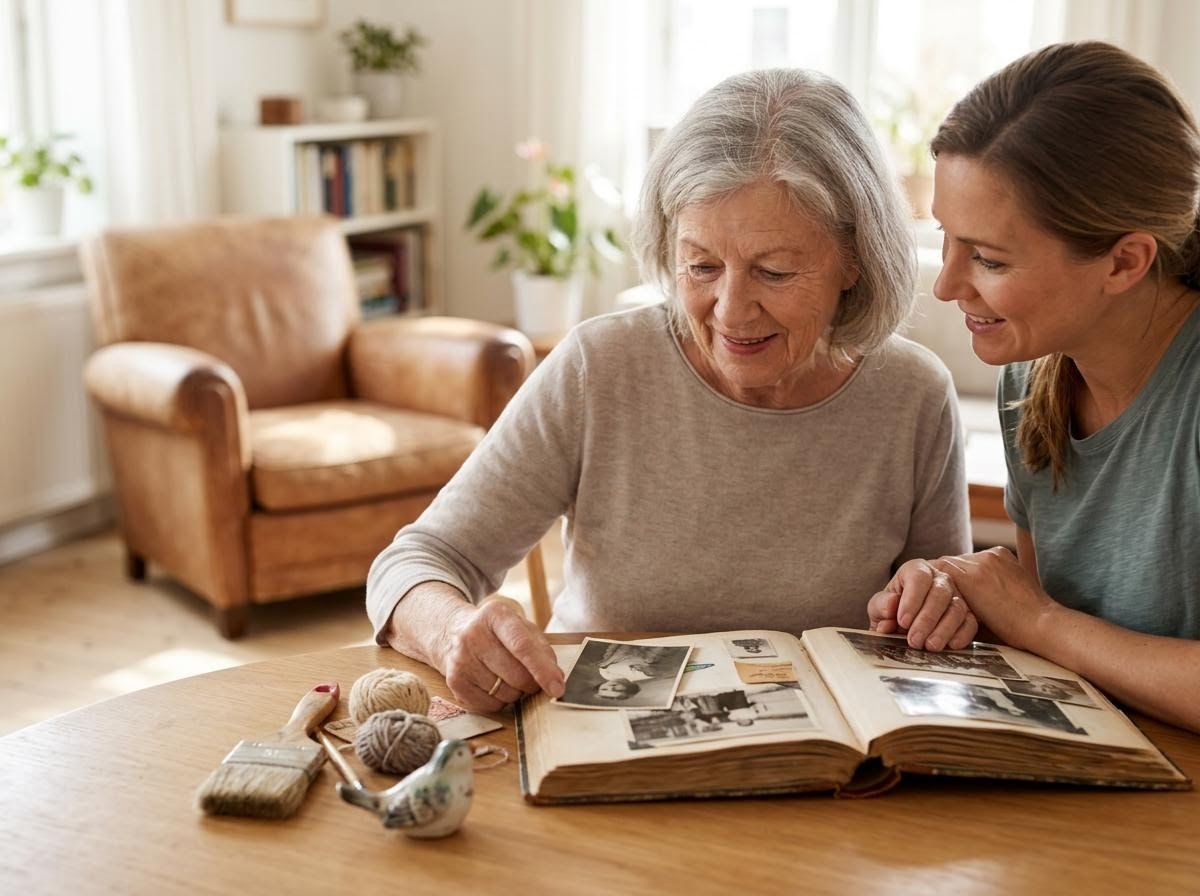
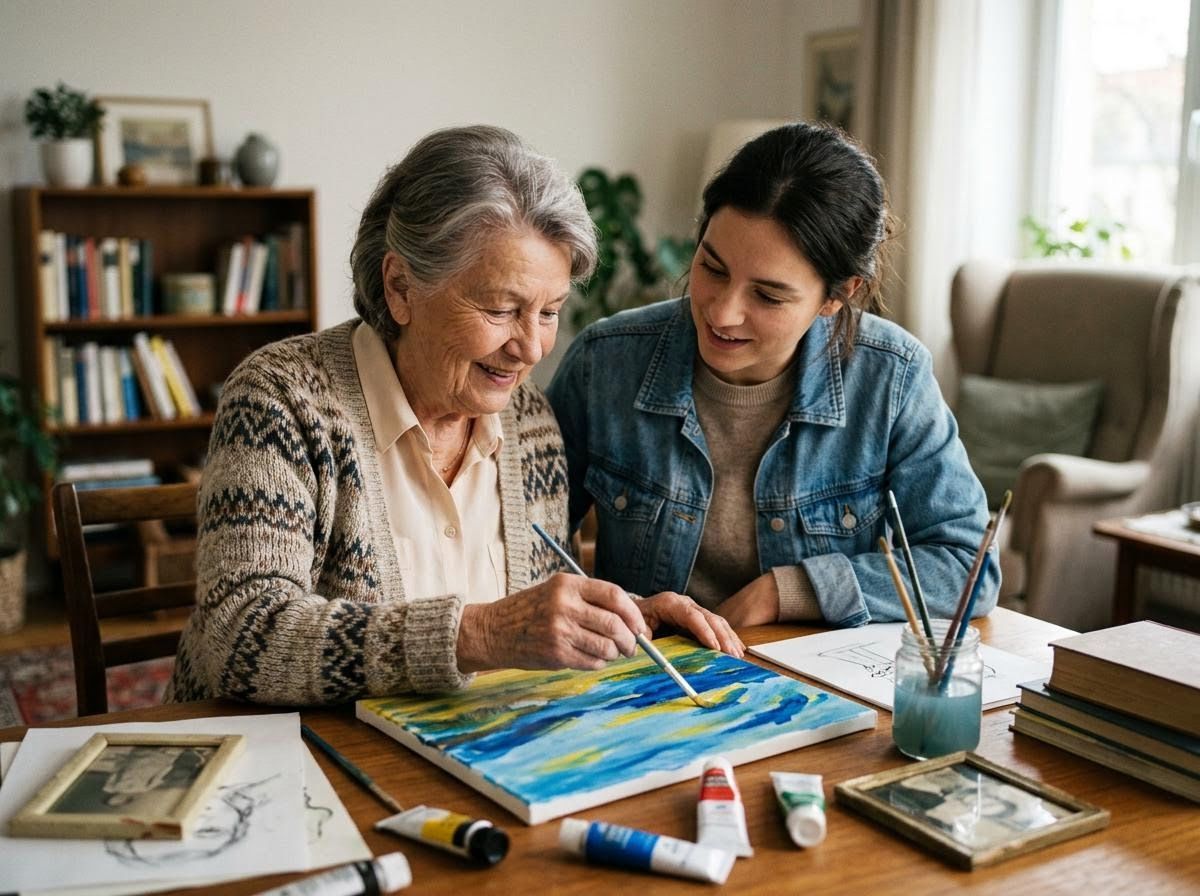
There are many ways to actively support and reinforce an individual's identity. Creating a "life story book" or memory box filled with photos, mementos, and anecdotes from their past can be a powerful tool for reminiscence therapy. Encouraging participation in familiar activities or hobbies, even in modified forms, helps reinforce skills and past roles. Respecting their choices, however small, preserves autonomy. Personalizing their living environment with familiar objects or music, and consistently using their preferred name, also helps anchor their sense of self. Simple conversations focused on their feelings, rather than just facts, can help caregivers connect with their core personality.
The Value of Dedicated Support Systems
Navigating the complexities of dementia care and diligently working to preserve a loved one's identity can be demanding. This is where specialized support systems become invaluable. Programs designed with person-centered care in mind prioritize individual needs, preferences, and histories. Care professionals trained in dementia support can implement strategies that encourage engagement, reduce behavioral challenges, and celebrate the unique essence of each person. Such support ensures that individuals receive tailored care that respects their past while supporting their present, ultimately enhancing their quality of life.
Recognizing and valuing the unique identity of individuals living with dementia is not just about care; it's about honoring their spirit. While memory may fade, the essence of who they are can continue to shine brightly with thoughtful, consistent support. Understanding their past, respecting their present choices, and engaging with their enduring personality enriches their lives and strengthens family connections. If you're seeking guidance on fostering identity or navigating the complexities of memory loss, the Senior Resource Center offers comprehensive Alzheimer's and Dementia Support Services throughout Prescott, AZ, and the surrounding areas. We invite you to learn more about how our compassionate team can support your family's journey.