
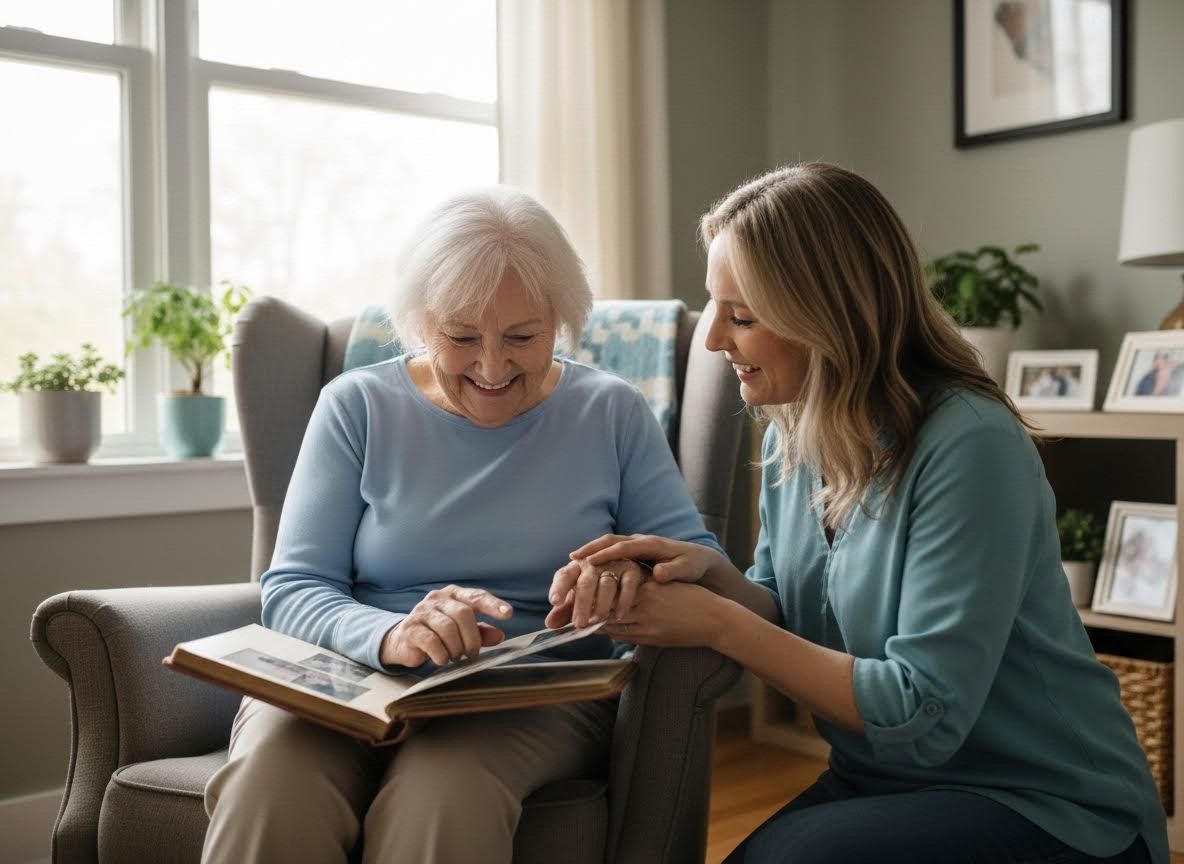
Living with dementia presents unique challenges, not only for the individual but also for their families and caregivers. In navigating these complexities, a profound shift in approach is gaining recognition: person-centered care. This philosophy moves beyond simply managing symptoms, aiming instead to uphold the individual's identity, preferences, and spirit throughout their journey. At Senior Resource Center, we believe this approach is fundamental to enhancing the quality of life for those living with dementia.

Understanding Person-Centered Care in Dementia
Person-centered care is a holistic approach that places the individual, not their diagnosis, at the forefront of their care plan. For someone living with dementia, this means recognizing their life history, personality, unique abilities, and continued potential. It's about tailoring care to their specific needs, preferences, and desires, rather than applying a one-size-fits-all model. This approach acknowledges that even with cognitive changes, an individual retains their personal narrative and deserves to have their choices and routines respected.
The Indispensable Role of Dignity in Elderly Care
Maintaining dignity in elderly care, especially for individuals with dementia, is paramount. Dementia can strip away abilities, but it should never diminish a person's inherent worth. Upholding dignity involves treating individuals with the utmost respect, listening to their cues, and understanding their non-verbal communication. It's about creating an environment where they feel valued, safe, and understood. Person-centered care actively champions this by ensuring that all interactions and care decisions are made with the individual's comfort, autonomy, and intrinsic value firmly in mind. This fosters a sense of purpose and belonging, which are vital for emotional well-being.
Implementing Respect in Healthcare Through Practical Strategies
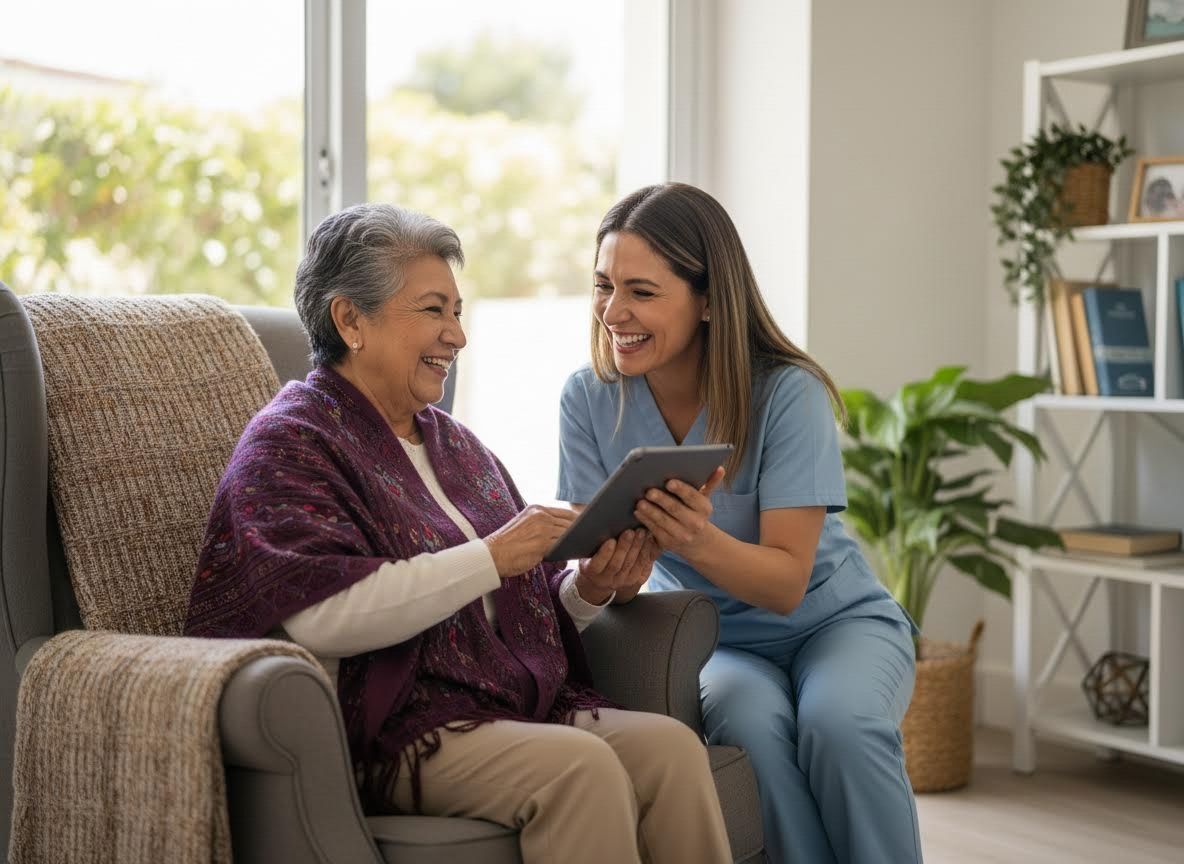
Successfully integrating person-centered care and ensuring respect in healthcare for individuals with dementia involves several practical strategies. This includes active listening, even when communication is difficult, and observing behavior for clues about unmet needs or preferences. Establishing consistent routines that incorporate past habits or interests can provide comfort and familiarity. Caregivers can also adapt activities to suit current abilities, focusing on engagement and enjoyment rather than perfect execution. Empowering individuals to make choices, no matter how small, such as what to wear or what to eat, reinforces their autonomy and preserves their sense of self.
By embracing person-centered care, we can fundamentally transform the experience of living with dementia, ensuring that dignity remains at the core of every interaction. This approach not only benefits the individual by enhancing their quality of life but also provides comfort and peace of mind for families and caregivers. To learn more about how person-centered care principles can be integrated into supportive environments, we invite you to reach out to a member of our team at Senior Resource Center in Prescott, Arizona.